
During these times of crises and disasters (e.g., Iran-US crisis; bushfires in AU; Taal eruption in PH), people depend on media for important pieces of information that are vital for safety and survival.
Media dependency theory (Ball-Rokeach & DeFleur, 1976) is strongly evident nowadays, not to satisfy individual needs such as entertainment, relaxation, and socializing (i.e., uses and gratifications), but because it places the audiences in the context of the broader societal system. The dependence on information from any forms of media increases when they supply information that are more central to us.
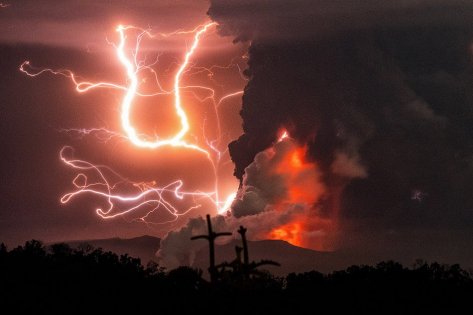
Image courtesy of ABS-CBN News (Retrieved from https://news.abs-cbn.com/news/multimedia/photo/01/13/20/taal-spews-lava-thousands-evacuate)
Legitimate journalists/reporters/media practitioners are tasked to work on gathering, assessing, and presenting news and information. They are professionally trained for that, especially the products of Communication/Journalism/Media program in any universities.
That’s how crucial communication and media profession is.
It is different from how selected bloggers (e.g., Mocha Uson) propagate state-sponsored hate. It is not always about politics and politicking. It is not, and will never be about whoever elected leaders who hold a grudge against any private/commercial media entities just because they do not serve what they personally need.
Media should (in a normative theory perspective) serve the people, and not to put someone on a pedestal.
#NoToABSCBNShutdown
#ServeThePeople
 Here, I win.