
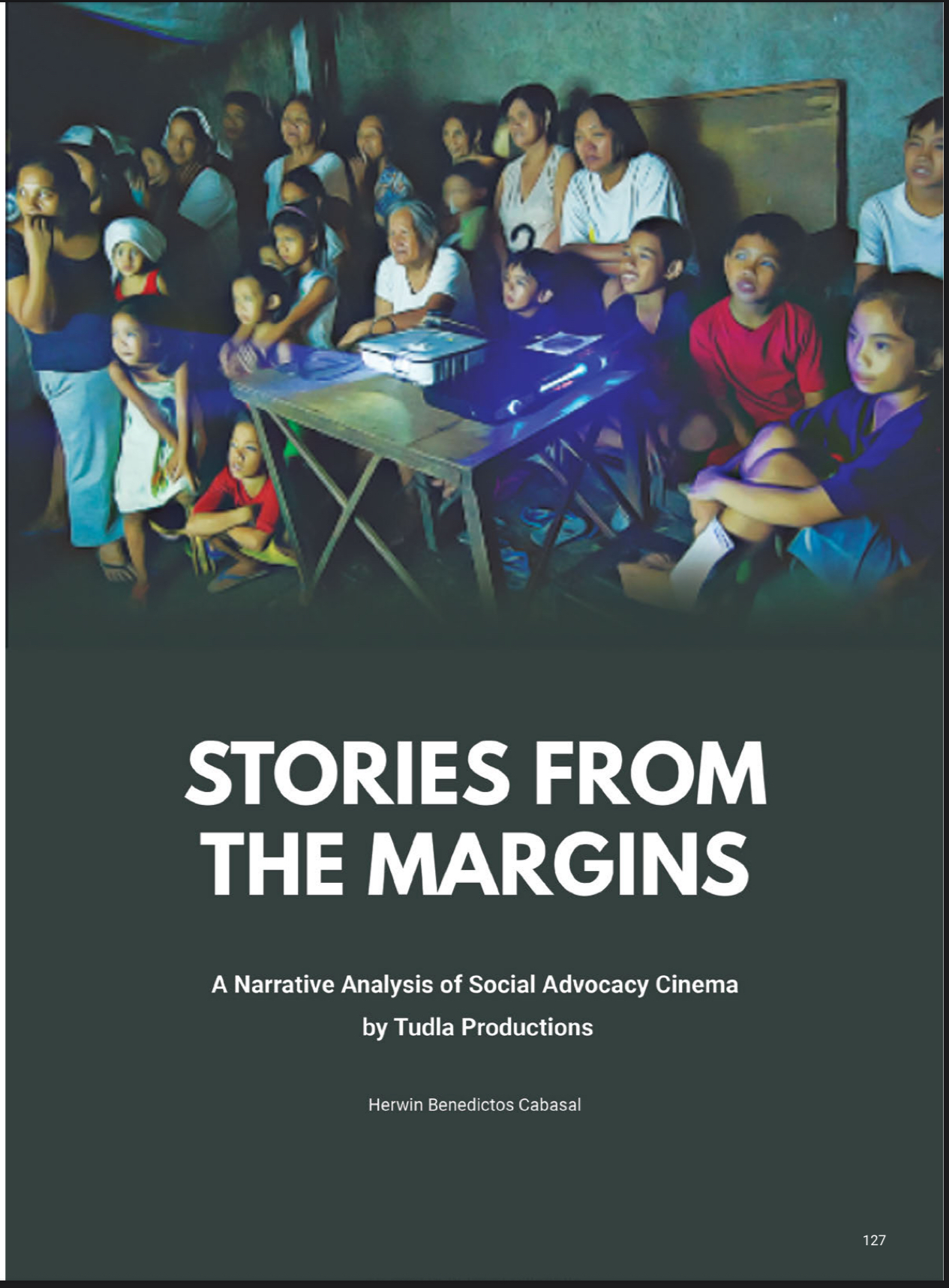
Tudla Productions, one of the alternative and political film collectives in the Philippines that engages in social advocacy filmmaking, aims to inspire the creation and proliferation of socially relevant and progressive audiovisual productions to cultivate critical consciousness in the public.
In this paper, I will take Tudla Productions’ Sa Ngalan ng Tubo and Pinaglabanan as film-texts and objects for narrative analysis. First, I will briefly discuss the sociopolitical history informing the films, from the Marcos regime to the time that Tudla Productions and other related media groups emerged. Second, I will examine the interplay of elements in the narrative structure of the films, such as the characters, their conflicts, goals, struggles, and resolutions, to substantiate the particularities of how Tudla Productions represents stories from the margins. Lastly, I will discuss the relationship of Tudla Productions’ social advocacy cinema with other radical and political cinematic traditions (e.g., Soviet Montage, Italian Neorealism, Third Cinema) and how they remain relevant today.
It concludes that the social advocacy cinema of Tudla Productions upholds the authenticity of cinema as a truthful and liberating reflection of society, departing from the dominant aesthetics of filmmaking that is preoccupied with escapism and fantasy. They provide a human face to the seemingly abstract concept of social injustice, and creatively communicate their stand on issues to inspire collective action.
…
Access the article:

